







Environment Dimension
WHA Group is committed to minimizing environmental impacts arising from our operations while supporting sustainable industrial development. The Group manages key environmental aspects through systematic policies, robust management systems, and responsible operational practices that prioritize resource efficiency, pollution prevention, and climate resilience. Environmental considerations are integrated into the planning, development and management of our businesses to ensure responsible use of energy, water, and materials, while reducing greenhouse gas emissions and other environmental impacts. Through these efforts, WHA Group strives to protect the environment, enhance long-term ecosystem resilience and support the transition toward a low-carbon and circular economy.
This Environmental Dimension’s key areas include Environmental Policy and Management System, Climate Strategy, Energy Management, Water Management, Waste Management, Air Emission Management, and Biodiversity and No Deforestation. In 2025, Climate Strategy, Energy Management, Water Management, and Waste Management have been identified as high material topics, reflecting their critical role in improving resource efficiency, advancing circularity, reducing environmental impacts, and supporting the transition toward a low-carbon and sustainable business.
Environmental Management Approach
WHA GROUP COMMITS TO ACHIEVING
NET ZERO GREENHOUSE GAS EMISSIONS BY 2050


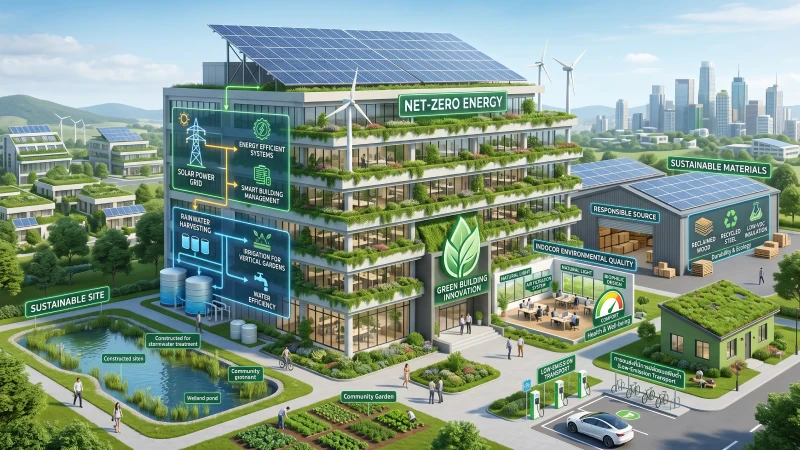
WHA Group is committed to conducting business while creating sustainable growth with all stakeholders by giving importance to environment, social and good governance practices. One of the key issues that the Company determines to achieve is to accelerate sustainable climate change action to solve greenhouse gas and global warming issues by reducing greenhouse gas emissions as well as building important infrastructures such as promoting the use of renewable energy and using relevant technologies and innovations throughout the Group's value chain. These ambitious actions will be in line with global trends in responding to climate change issues including Thailand's goal of achieving carbon neutrality by 2030 and net zero greenhouse gas emissions by 2050.

Commitments



Commitments



United Nations Sustainable Developments Goals :


United Nations Sustainable Developments Goals :


United Nations Sustainable Developments Goals :